Protect Your Valentine’s Day Jewelry
Simple Ways to Prevent Loss and Ensure Proper Coverage
Happy Valentine’s Day! If you’re gifting or receiving a valuable piece of jewelry this year, we’d love to help you protect it. Below are a few simple tips to keep your gift safe and a quick guide to making sure your insurance coverage is set up the way you expect.
Whether it’s an engagement ring, a timeless watch, or a meaningful heirloom, they often carry more than monetary value. Each gift represents a milestone, a memory, or a promise. Since these pieces are frequently worn during dinners out, weekend trips, and celebrations, they can be more vulnerable to loss, theft, or accidental damage than many people may realize.
This guide provides you with tips to protect your Valentine’s Day jewelry, along with steps to confirm your insurance coverage is set up correctly
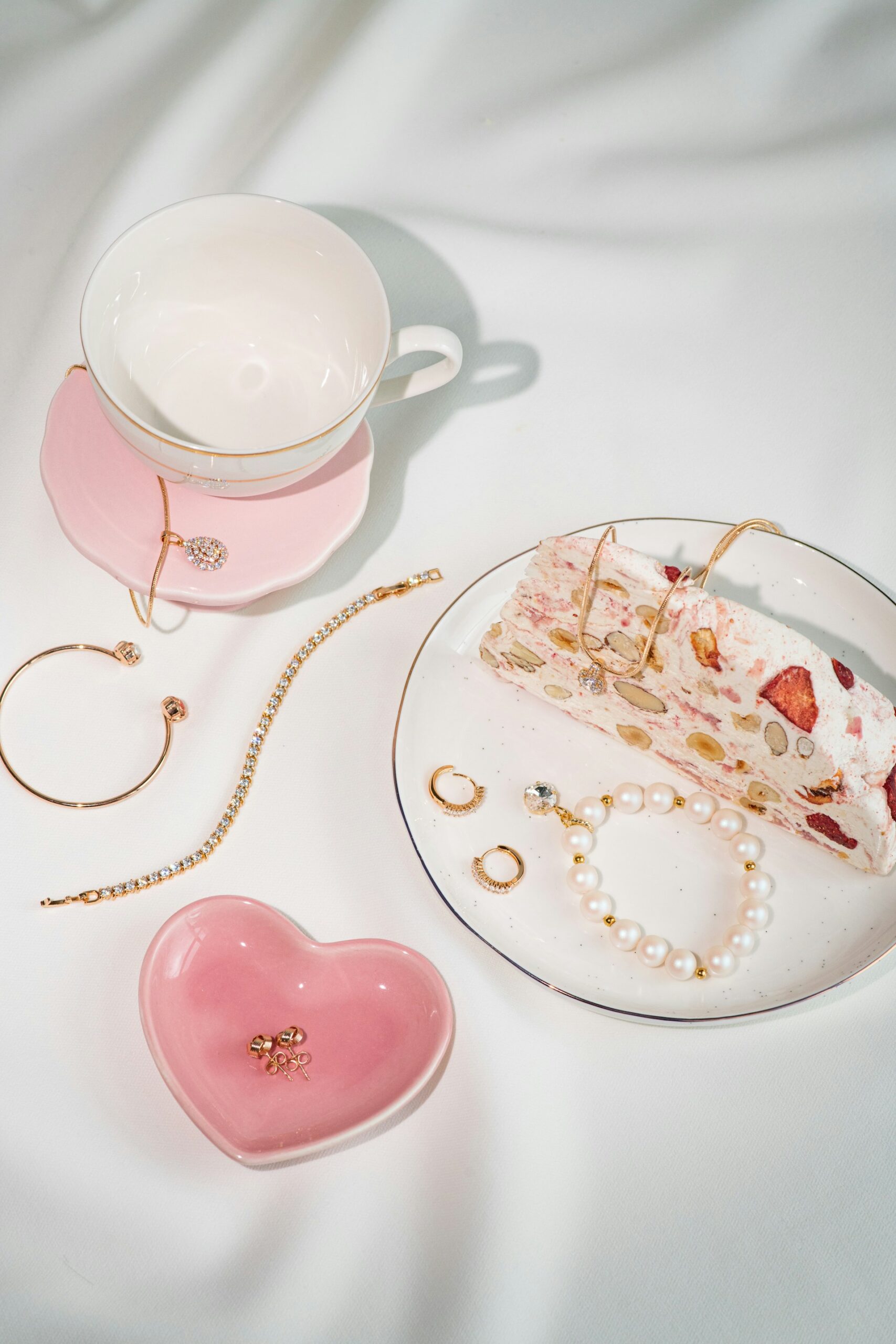
Tips for Protecting Valentine's Day Jewelry
1. Document Jewelry Before Wearing It
2. Avoid Leaving Jewelry in Vehicle
3. Use One Secure Place When Removing Jewelry

4. Check Prongs, Clasps, and Settings
One of the most common ways jewelry is lost is surprisingly simple: a stone loosens and falls out. If a piece has not been worn recently, or if it is new, consider a quick inspection by a jeweler to confirm the setting and clasp are secure.
5. Travel With Jewelry Carefully
6. Securely Store Jewelry at Home
Understanding What Your Current Insurance Covers (and Doesn't)
Many people assume homeowners or renters insurance automatically covers jewelry in full. While policies often provide some level of coverage, it may be limited or restricted in ways that are easy to miss until a loss occurs.
Common Coverage Gaps to Watch For:
Homeowners and renters’ policies frequently include constraints such as the following:
- Lower limits for certain types of jewelry losses (particularly theft).
- Coverage that applies only to specific causes of loss.
- Deductibles that reduce the practical value of a claim.
- Limited protection for accidental loss (ex: a ring slipping off or a piece going missing without a clear explanation).
These gaps can be especially frustrating because they often appear only after a meaningful piece is lost or damaged.
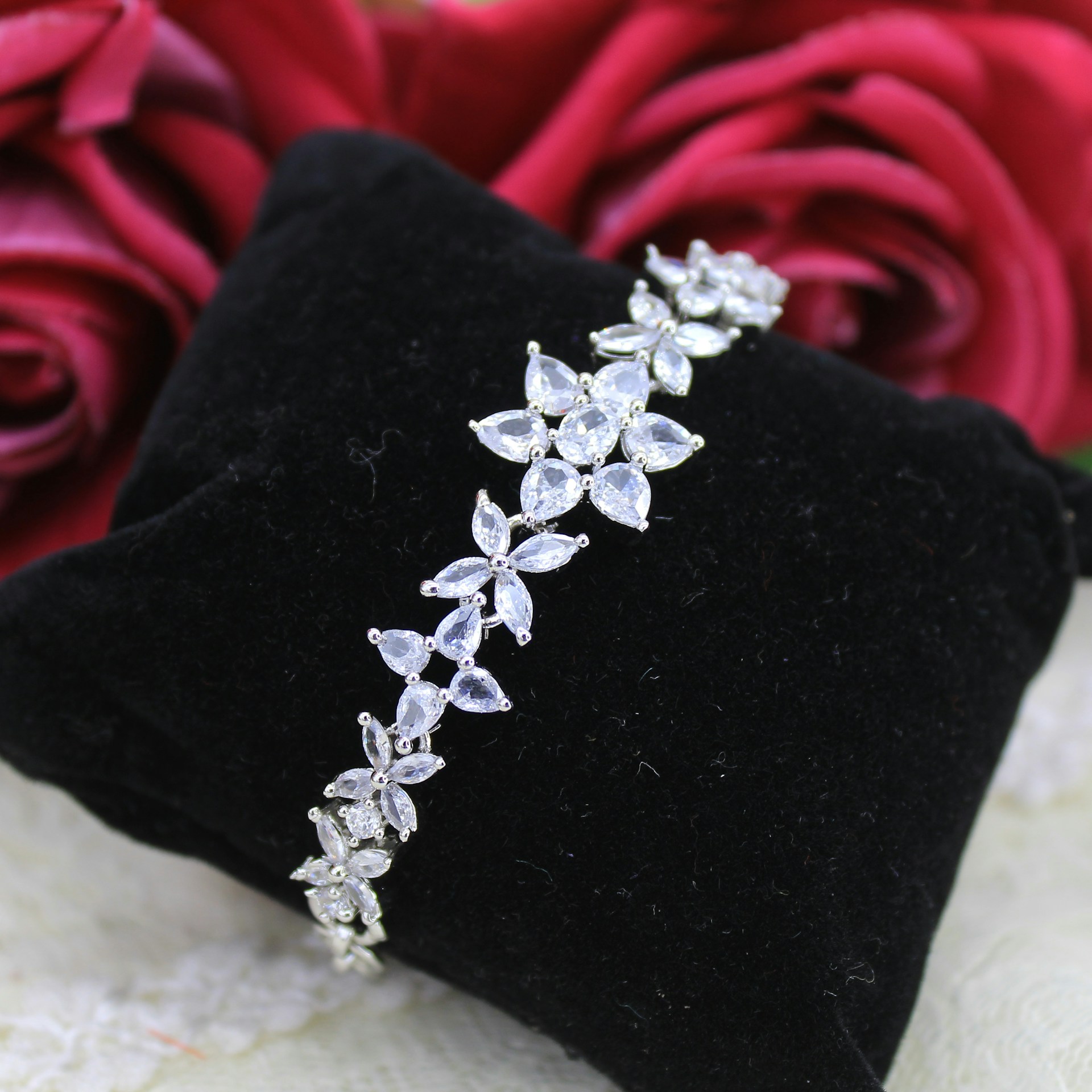
Scheduling Jewelry: Why It Often Matters for High-Value Pieces
“Scheduling” jewelry means adding specific items to your policy with details and a stated value supported by documentation (often with an appraisal or receipt). In many cases, scheduled jewelry coverage is designed to provide broader, clearer protection than what exists under a standard homeowners or renters policy.
Depending on the insurer and policy form, scheduled coverage may offer advantages such as:
-
More tailored coverage for high-value items.
-
Clearer valuation expectations (based on documentation).
-
Coverage that follows you beyond the home, including travel scenarios.
Because policy forms vary by carrier, scheduling should always be evaluated based on the specific policy language and the piece you are protecting.
Tower Street Helps You Protect Your Jewelry
If you’re wearing or gifting something meaningful this Valentine’s Day, you should feel confident it’s protected, both in real life and on paper.
The Tower Street team can help you confirm what your current policy covers, identify any jewelry-related limitations, and recommend options that match the value needs that often come with high-value pieces.