Laboratory Power Outages
Power outages can create serious operational, financial, and safety challenges for laboratories. Beyond the immediate inconvenience, a loss of power can disrupt refrigeration, ventilation, engineering controls, sensitive instruments, research materials, and employee safety systems. In many cases, the most significant impact is not the outage itself, but the cascading losses that follow.
For laboratories, preparation matters on two critical levels: operational readiness and insurance readiness. A tested emergency response plan can help reduce damage in the moment, while properly structured insurance coverage can help your organization recover financially after the event.

Why Power Outages Are a Major Risk for Laboratories
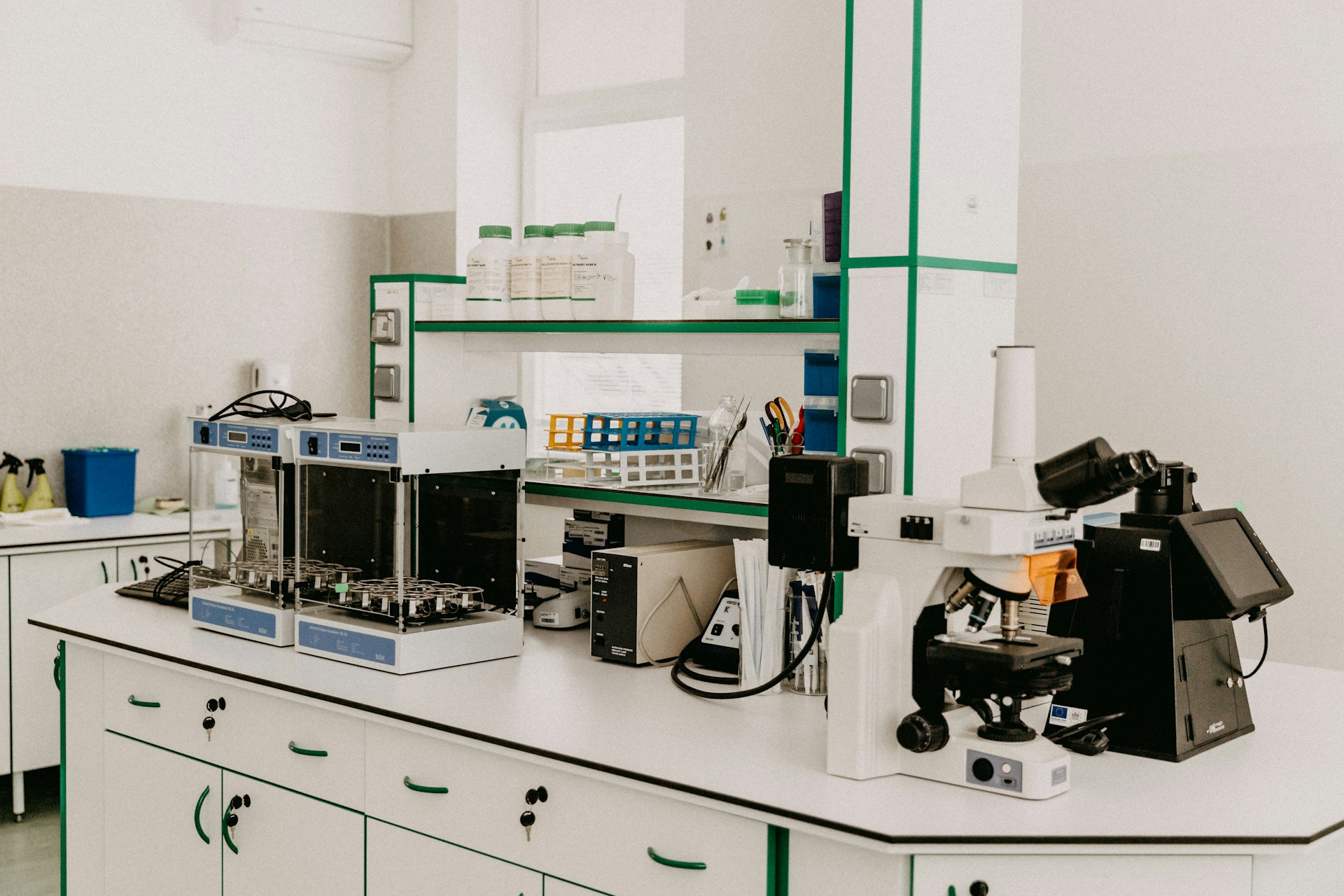
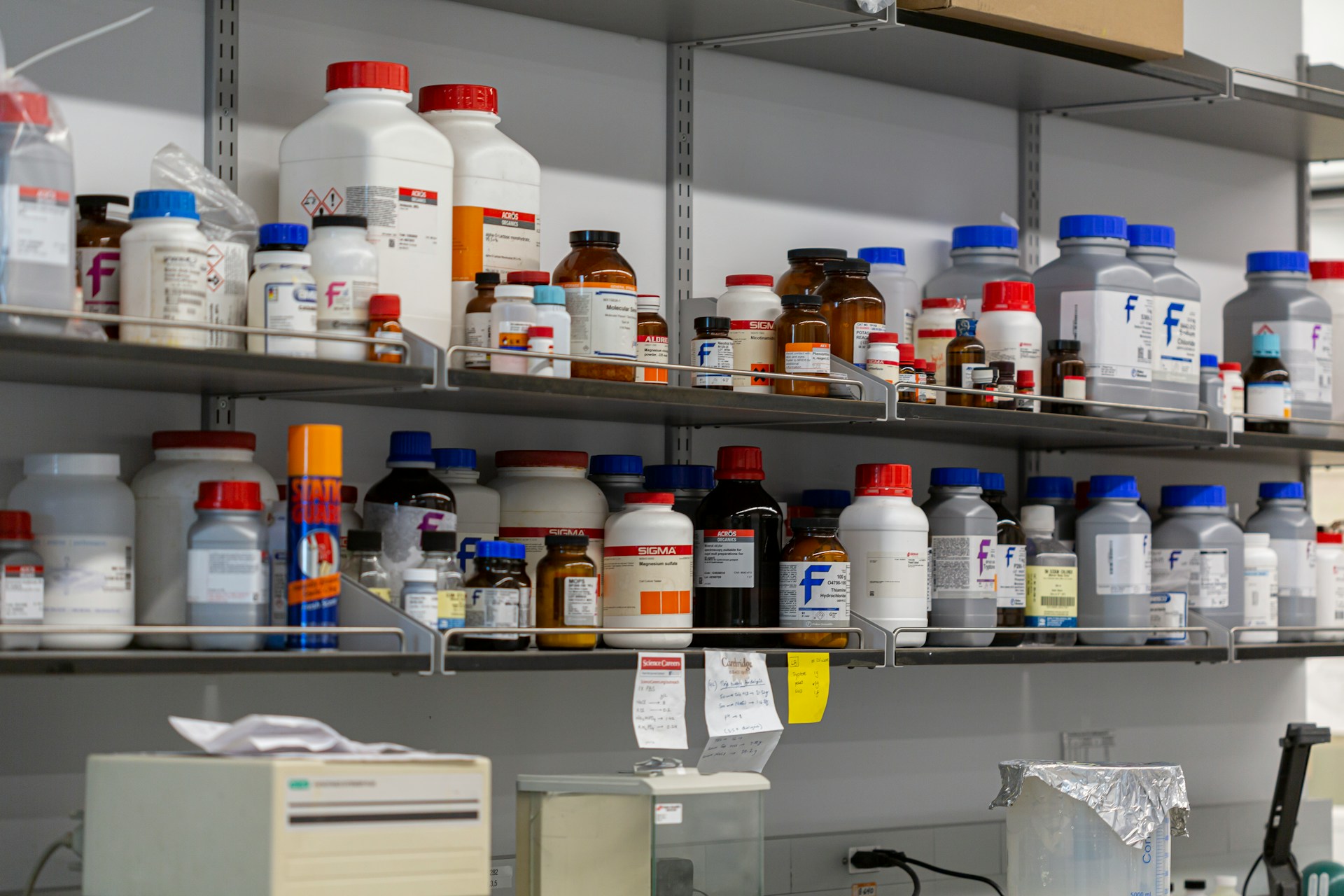
Laboratories depend on tightly controlled environments and specialized systems to operate safely and effectively. When power is interrupted, refrigerators, freezers, biosafety cabinets, and other critical instruments may shut down. This can result in:
Laboratories depend on tightly controlled environments and specialized systems to operate safely and effectively. When power is interrupted, refrigerators, freezers, biosafety cabinets, and other critical instruments may shut down. This can result in:
- Spoiled or contaminated materials
- Damage to high‑value equipment
- Interruptions to research timelines or production
- Safety hazards for staff and visitors
- Regulatory and compliance concerns
In some cases, a power outage can trigger secondary events. Refrigeration failure may ruin temperature‑sensitive samples. Ventilation shutdowns can increase exposure risks. Electrical failures may contribute to fires or environmental incidents. For many laboratories, these secondary losses create the greatest financial exposure.
How to Minimize Losses Before a Power Outage Occurs
If a power outage occurs, personnel safety is always the first priority. Once immediate hazards are controlled, labs should move quickly to protect property and document events.
Initial response steps may include:
- Determining whether the outage is internal or utility‑related
- Removing personnel from unsafe areas
- Monitoring freezers, refrigerators, and environmental controls
- Assessing risks of contamination, spoilage, or system failure
- Documenting damage, losses, and timelines
- Tracking vendor involvement and corrective actions
- Notifying your insurance advisor as soon as a potential loss is identified
The cause of the outage can significantly affect how insurance responds. Power loss originating from equipment on your premises may be treated differently than a disruption caused by the utility provider.
What Insurance May Cover After a Lab Power Outage
A common misconception is that all power‑related losses are automatically covered under a standard commercial property policy. In practice, coverage can be highly nuanced.
Utility Interruption Coverage
Utility interruption coverage may respond when a covered cause of loss (such as fire or vandalism) disrupts utility services and results in physical damage at your location. Coverage depends heavily on endorsement wording, including:
- Which utilities are defined
- What causes of loss are included
- What property at your location is insured
Without specific language, coverage gaps often exist between expectations and reality.
Secondary Property Damage
Even when power loss itself is excluded, downstream damage caused by a covered peril may still be insured. For example:
- If equipment damage leads to a fire, the fire damage may be covered
- If contamination or spoilage is specifically insured, related losses may be reimbursable
Understanding how secondary losses are treated is critical for laboratories with complex operations.
Business Interruption and Income Loss
For many labs, the most significant impact of a power outage is operational downtime, not just physical damage. Business interruption insurance may help cover:
- Lost income during shutdowns
- Costs to resume operations
- Delayed research milestones or product releases
- Certain fixed expenses during interruption
This coverage is especially important for labs with contractual obligations, grant deadlines, or client‑driven deliverables.
Liability, Environmental, and Personnel Considerations
Power outages can also create liability exposure if third parties believe they suffered financial harm as a result of your lab’s operations. Additionally, laboratories handling chemicals, biological materials, or waste streams may face environmental cleanup responsibilities if systems fail.
Coverage considerations may include:
- General or professional liability for third‑party claims
- Environmental or pollution liability for cleanup and remediation
- Protection for non‑employees, such as student researchers or temporary staff

Questions to Ask When Reviewing Coverage
Rather than asking “Do we have coverage?”, labs should ask, “How would our coverage respond in a real outage scenario?”
Sample questions include:
- Is damage caused directly by power loss, surges, or low voltage covered?
- Do we have utility interruption coverage, and what does it include?
- Are spoiled samples or contaminated materials insured?
- Does business interruption coverage align with our actual downtime risk?
- Is third‑party research or stored property protected?
- Are environmental cleanup costs addressed?
These questions often reveal gaps before a loss occurs, when they are easier to fix.
Partnering with Tower Street
Power outages do more than interrupt electricity. Preparing for these events requires both operational discipline and insurance expertise.
Tower Street works alongside laboratories to identify power‑related exposures, evaluate policy language, and design insurance programs that align with real‑world lab operations. Whether reviewing utility interruption coverage, business income protection, pollution liability, or protection for research and stored property, Tower Street serves as a long‑term partner committed to helping labs prepare, respond, and recover with confidence. Click on the button to reach out to our team for a free coverage review.